
Hiring a Commercial General Contractor: 12 Red Flags to Watch Out for
When planning a commercial construction project, choosing the right general contractor can make or break your success. Whether you are renovating an office, building a warehouse, or managing a multi-million-dollar commercial development, your contractor should be competent, reliable, and transparent.
Unfortunately, not all contractors fit that bill. As an experienced commercial construction firm, we have seen what happens when clients fall victim to poor choices. To protect your investment, here are 12 red flags to watch for when hiring a commercial general contractor.
12 Red Flags in a Commercial General Contractor
1. Missing or Inadequate Licensing and Insurance

Hiring a commercial general contractor without proper licensing and insurance is a major red flag. For example, California law requires contractors to hold a valid CSLB (Contractors State License Board) license and carry both general liability insurance and workers’ compensation coverage. Many reputable contractors in the Bay Area also maintain OSHA safety certifications and bonds.
If a contractor cannot produce their license number, refuses to share proof of insurance, or omits these from your proposal, consider it a serious warning sign. Without these credentials, your business could face legal liability for workplace injuries, fail city inspections, or experience costly delays. Always verify licensing through the CSLB’s public database before signing a contract.
2. Lack of Transparency in Pricing
A professional commercial contractor is upfront and transparent about pricing, offering a detailed, line-by-line estimate of the work involved. If their quote is vague or contains ambiguous terms like “TBD” or “as needed,” be cautious. This lack of clarity can easily translate into surprise costs and disputes down the road. For example, if electrical or plumbing work isn’t clearly included, you might face unexpected change orders later.
Moreover, a reputable contractor will anticipate unknowns and include a reasonable contingency budget (usually 5-10%). It is important that the contractor break down costs, provide allowances where needed, and ensure you understand what’s included and what’s not before the project starts.
3. Suspiciously Low Bids
In commercial construction, a drastically low bid is a red flag. If one contractor quotes significantly below the market average, ask what’s missing. Are they cutting corners with low-grade materials? Do they plan to hire unqualified subcontractors? Are essential services like permitting, inspections, or design not included?
Contractors may use this bait-and-switch tactic to win your trust, only to tack on expensive “change orders” mid-project. In one case, a client came to us after hiring a low-bid commercial contractor who failed to factor in HVAC requirements, resulting in a $50,000 surprise. Remember: if the construction bid sounds too good to be true, it probably is.
4. Unwillingness to Provide References or Portfolio

Any reputable commercial general contractor will be proud to showcase past projects and share references from satisfied clients. If they are evasive or unable to provide examples of similar work, this should be considered a red flag. Check for a consistent portfolio, preferably commercial builds of a similar size and complexity.
Ensure to call references and ask about timelines, communication, and budget adherence. In commercial construction, experience and proven performance are non-negotiable; hence, refrain from hiring a commercial general contractor without a portfolio or client references.
5. Vague or Nonexistent Project Plan
Every successful commercial construction project runs on a clear roadmap: timelines, milestones, deliverables, and contingency plans. A contractor who relies on verbal commitments, lacks a formal project timeline, or “goes with the flow” is inviting chaos.
Look for systems: digital project tracking tools, daily site logs, milestone scheduling, and a clear chain of command. Ask how change orders are handled and what tools they use for job site management. If your commercial general contractor fails to present this level of organization during preconstruction meetings, reconsider your hiring decision.
6. Rigid or One-Sided Contract Terms
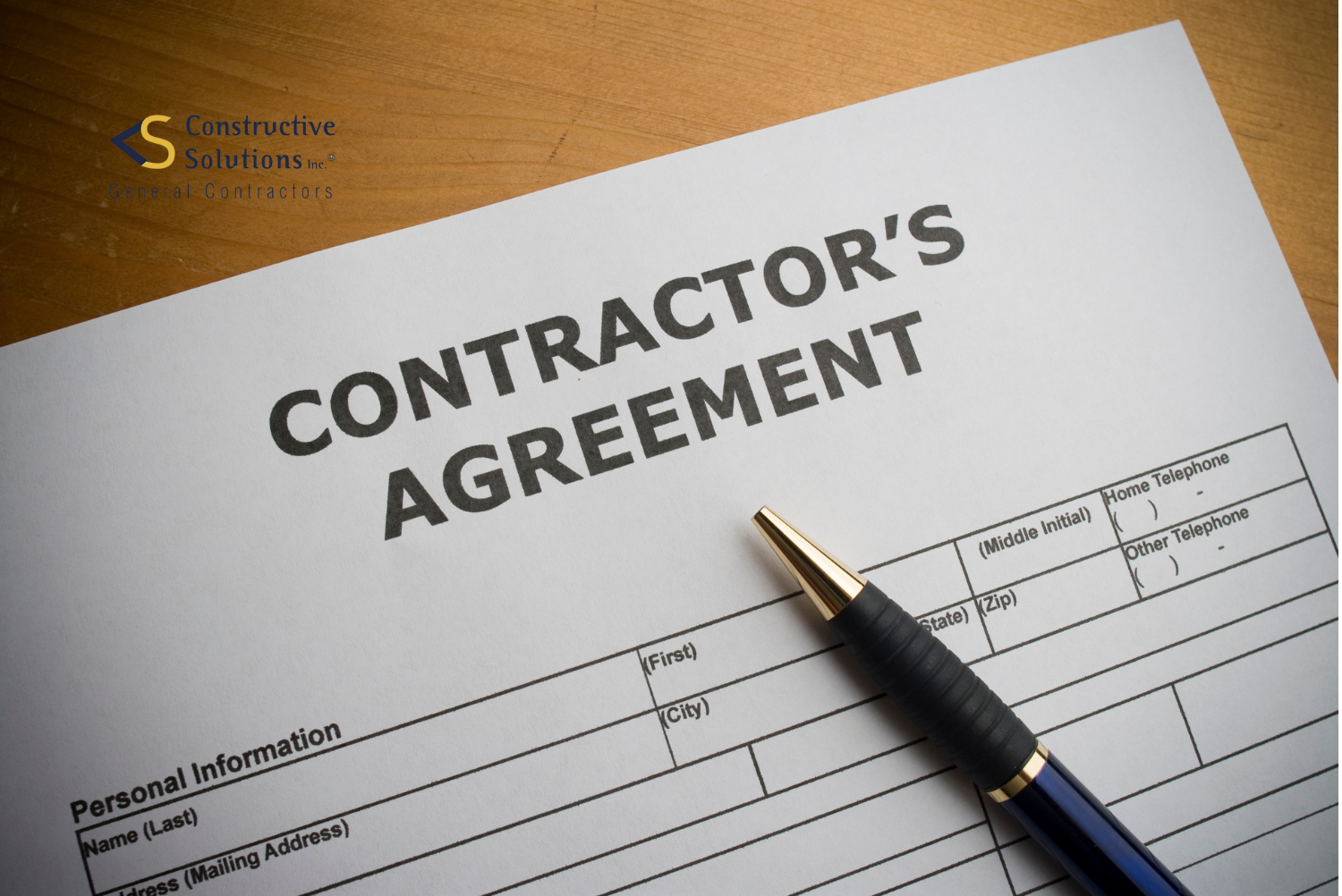
Construction contracts protect both the client and the contractor. Beware of contractors who push rigid, inflexible contracts that favor their interests. Contracts should clearly define the scope of work, deliverables, timeline, payment schedule, and dispute resolution process, but they should also offer some flexibility. Clauses that penalize you for minor delays, force early termination fees, or offer no protection against delays or defects are serious red flags.
The language should be clear in your contract. A reputable general contractor understands that construction is dynamic and will offer terms that are fair to both parties. They will never rush you into signing a contract or discourage you from seeking legal review.
7. Poor Communication from the Start
If a contractor is slow to respond, vague in communication, or regularly misses scheduled meetings, expect those warning signs to worsen during the build. Effective communication between stakeholders and team members is the foundation of any successful commercial project. You should receive regular updates, clear status reports, and prompt responses to queries.
When a contractor can’t communicate clearly, misinterpretations, delays, and budget overruns are sure to follow. Your general contractor should serve as a reliable point of contact, bridging the gap between you and every moving part of the project.
8. Frequent Name Changes or No Online Presence
Reputable commercial contractors build a name and reputation over time. If the contractor has changed company names multiple times or has no professional website, online reviews, or social media presence, be cautious. These could be attempts to escape poor reviews or legal issues.
A professional general contracting firm will have a visible online footprint, including a website with current projects, client testimonials, and clear contact details. Use tools like Better Business Bureau, Google Reviews, and LinkedIn to validate their legitimacy.
9. Requesting Excessive Upfront Payments
Asking for a large portion of the total project cost upfront is one of the oldest red flags in the book. While it’s standard practice to pay a deposit (often between 10% and 20%), a demand for more than 30% can indicate cash flow problems, inexperience, or worse, fraud.
No reputable general contractor should require full payment before work begins. Instead, payment schedules should be clearly outlined and tied to measurable construction milestones such as site preparation, framing, or inspections. If you are pressured to pay in full early, consider it a strong sign to walk away.
10. Inability to Show a Safety Record

Safety is more than hard hats and high-visibility vests. It’s about culture. If your contractor doesn’t have an Emergency Response Plan (ERP), fails to conduct safety meetings, or can’t show an up-to-date construction safety record, they may be exposing you to liability.
Enquire about the building contractor’s DART (Days Away, Restricted, or Transferred) rates and how their team handles safety violations. A commercial general contractor with no safety protocols is not only unprofessional but also dangerous.
11. Unverified Subcontractor Information
Subcontractors perform a large portion of the hands-on labor in commercial construction projects. A commercial general contractor is a red flag if they can’t verify their subs’ credentials, licenses, and insurance. Ask specifically who will be on your site and request their qualifications.
Without subcontractor information, you risk poor workmanship, safety violations, or even insurance denials if something goes wrong. A professional general contractor only partners with vetted, insured, and skilled tradespeople, and they are proud to tell you about them.
12. Promising Unrealistic Timelines
Be wary of contractors who guarantee rapid turnarounds or perfection with a shoestring budget. Overpromising is a manipulative tactic to win business, and it often leads to underdelivery.
For example, promising to complete a 3-month project in half the time should raise eyebrows. A good contractor sets honest expectations and builds in contingency time. Look for a commercial builder who explains the reasons behind the schedule, not just one who tells you what you want to hear.
Final Thoughts
Hiring the right commercial general contractor is one of those vital decisions that can decide the success or failure of your construction project. By recognizing red flags early, you can avoid costly mistakes and protect your investment. Take your time, do your research, and never hesitate to ask tough questions. A trustworthy general contractor will welcome your diligence and provide transparency every step of the way. Remember, the cheapest bid often costs the most in the end. Prioritize experience, integrity, and clear communication to set your project up for long-term success. Your future tenants, team, and bottom line will thank you.
Looking for a commercial general contractor you can trust? Reach out to our team at Constructive Solutions, Inc. to discuss your project needs.